Space technology has transformed how humans understand the universe. From early rockets to reusable spacecraft, these advances continue to push boundaries. Today, space technology drives scientific discovery, supports global communication, and opens new economic opportunities. This article explores the evolution of space technology, key innovations, satellite applications, commercial spaceflight, and current industry challenges. Whether tracking weather patterns or planning Mars missions, space technology shapes modern life in ways many people never realize.
Table of Contents
ToggleKey Takeaways
- Space technology has evolved from early rockets to reusable spacecraft, dramatically lowering launch costs and accelerating innovation.
- Satellites powered by space technology enable critical daily services including GPS navigation, weather forecasting, and global internet connectivity.
- Reusable rockets from companies like SpaceX have reduced launch costs by up to 30%, making space more accessible than ever.
- Commercial spaceflight has transformed the industry, with private companies now competing alongside government agencies to advance exploration.
- The space technology industry faces challenges including orbital debris, regulatory gaps, and geopolitical tensions that limit international cooperation.
- Innovations like AI, 3D printing, and miniaturized CubeSats continue to expand what’s possible in modern space exploration.
The Evolution of Space Technology
Space technology began with simple rockets in the early 20th century. Scientists like Robert Goddard launched liquid-fueled rockets in the 1920s, proving that space travel was possible. The Space Race between the United States and the Soviet Union accelerated progress dramatically during the 1950s and 1960s.
The Soviet Union launched Sputnik 1 in 1957, marking the first artificial satellite in orbit. This event sparked global interest in space technology and led to rapid government investment. The United States responded by creating NASA in 1958 and committing to land humans on the Moon.
Apollo 11 achieved that goal in 1969 when Neil Armstrong and Buzz Aldrin walked on the lunar surface. This mission demonstrated what space technology could accomplish with sufficient resources and determination. The success inspired decades of continued exploration.
The Space Shuttle program, which ran from 1981 to 2011, introduced reusable spacecraft. This approach reduced costs and allowed for more frequent missions. Shuttles carried satellites, built the International Space Station, and conducted thousands of experiments.
Today, space technology has evolved far beyond government programs. Private companies now develop rockets, satellites, and spacecraft. This shift has increased competition, lowered launch costs, and accelerated innovation across the industry.
Key Innovations Driving Modern Space Exploration
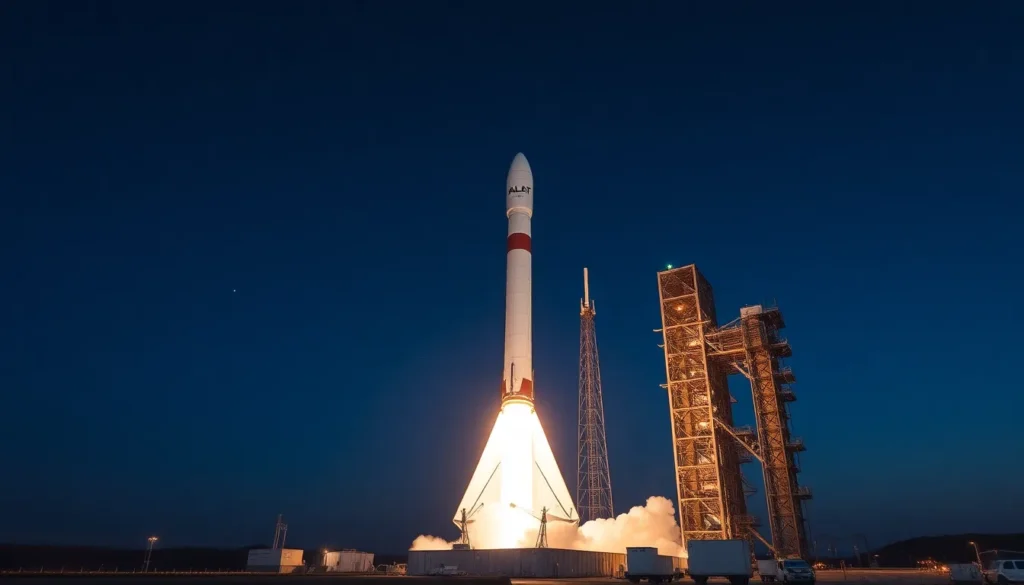
Several key innovations have transformed space technology in recent years. Reusable rockets stand out as one of the most significant breakthroughs. SpaceX’s Falcon 9 regularly lands and flies again, cutting launch costs by up to 30%.
Advanced propulsion systems are also changing space technology. Ion engines, which use electric fields to accelerate charged particles, provide efficient thrust for long-duration missions. NASA’s Dawn spacecraft used ion propulsion to visit the asteroid belt.
Miniaturization has made space technology more accessible. CubeSats, small satellites weighing just a few kilograms, now perform tasks that once required much larger spacecraft. Universities and startups can launch CubeSats for a fraction of traditional costs.
Artificial intelligence and machine learning improve space technology operations. These systems help spacecraft navigate autonomously, analyze data from distant planets, and optimize mission planning. Mars rovers use AI to select interesting rocks for study without waiting for Earth-based commands.
3D printing enables on-demand manufacturing of parts in space. The International Space Station has printed tools, medical supplies, and spacecraft components. This capability reduces the need to launch replacement parts from Earth.
New materials also advance space technology. Heat-resistant alloys protect spacecraft during atmospheric reentry. Lightweight composites reduce fuel requirements. These materials make missions safer and more affordable.
Satellites and Their Impact on Daily Life
Satellites represent one of the most practical applications of space technology. Thousands of these devices orbit Earth, providing services that affect daily routines worldwide.
Communication satellites enable phone calls, television broadcasts, and internet connections across the globe. People in remote areas access information and stay connected thanks to space technology. Starlink, for example, now provides internet service to millions of users in underserved regions.
GPS satellites help drivers find directions, pilots navigate airways, and farmers optimize crop planting. This space technology supports logistics companies, emergency responders, and countless smartphone apps. The global economy depends heavily on precise positioning data.
Weather satellites track storms, monitor climate patterns, and provide early warnings for natural disasters. Meteorologists use this space technology to save lives and protect property. Hurricane forecasting has improved significantly due to satellite observations.
Earth observation satellites detect deforestation, measure ice sheet changes, and track urban growth. Scientists use this space technology to study environmental issues and inform policy decisions. These satellites provide data that ground-based sensors cannot match.
Military satellites support national security through reconnaissance and secure communications. While controversial, this application of space technology influences geopolitics and defense strategies worldwide.
The Rise of Commercial Spaceflight
Commercial spaceflight has reshaped the space technology industry over the past two decades. Private companies now compete with government agencies to launch payloads and transport astronauts.
SpaceX leads this transformation. Founded by Elon Musk in 2002, the company developed rockets that dramatically reduced launch costs. SpaceX now regularly delivers cargo and crew to the International Space Station. The company’s Starship aims to carry humans to Mars.
Blue Origin, founded by Jeff Bezos, focuses on reusable launch vehicles and space tourism. The company’s New Shepard rocket has carried paying passengers to the edge of space. Blue Origin also develops the New Glenn orbital rocket for commercial and government customers.
Virgin Galactic offers suborbital space tourism flights. Passengers experience several minutes of weightlessness and see Earth’s curvature. This space technology application targets wealthy individuals seeking unique experiences.
Rocket Lab has carved out a niche launching small satellites. The company’s Electron rocket serves customers who need dedicated launches for smaller payloads. Rocket Lab has completed over 50 missions since 2017.
Commercial space technology benefits everyone. Competition drives down prices and encourages innovation. NASA now contracts with private companies for many services, allowing the agency to focus on deep space exploration.
Challenges Facing the Space Technology Industry
Even though impressive progress, the space technology industry faces significant challenges. Space debris threatens operational satellites and crewed missions. Over 27,000 tracked objects orbit Earth, and millions of smaller fragments pose collision risks.
Regulatory frameworks struggle to keep pace with space technology advances. Different countries apply different rules, creating confusion for international operators. Traffic management in orbit requires better coordination among nations.
Funding remains a constant concern. Space technology projects demand huge investments with uncertain returns. Many promising startups fail before reaching profitability. Even established companies face financial pressure.
Technical hurdles persist for ambitious missions. Radiation exposure endangers astronauts on long journeys. Life support systems must work flawlessly for years. Propulsion technology still limits how quickly spacecraft can travel.
Supply chain issues affect space technology manufacturing. Specialized components come from limited suppliers. Disruptions can delay missions by months or years. The industry needs more resilient sourcing strategies.
Geopolitical tensions complicate international cooperation in space technology. The U.S. restricts collaboration with China on space projects. Russia’s relationship with Western space agencies has deteriorated. These divisions limit what humanity can achieve together.